
With energy prices remaining high, reducing your electricity usage is one of the easiest ways to save money. The good news is that many energy-saving habits are simple to adopt and can make a noticeable difference over time.
Why reduce your electricity usage?
Saving money – Lower electricity use means a reduced electric bill. Simple actions like turning off lights, unplugging devices, and using energy-efficient appliances can make a difference.
Environmental protection – Although renewable energy is growing, a significant proportion of electricity is still generated using fossil fuels. Using less electricity helps reduce greenhouse gas emissions and air pollution, contributing to a cleaner environment.
Reducing strain on the power grid – During peak times, high electricity demand can cause blackouts or require more power plants to operate. Using less energy helps maintain a stable and reliable power supply.
How to Save Electricity
Bathroom
- Choose a shower instead of a bath whenever possible.
- Keep showers short. A timer can help you stay on track.
- Let your hair air-dry where possible. It reduces electricity use and can help minimise heat damage. I usually let mine dry naturally and finish it with a quick blast from the hairdryer to smooth it.
Kitchen
- Stock up your freezer. When your freezer is empty, it has to work harder to keep things cold, but make sure you are not blocking vents or controls.
- If you don’t have food to fill up your freezer, you can use newspaper, shipping peanuts or Ziplock bags filled with water.
- Turn your hob and oven off early if using an electric cooker. It will still cook for a bit longer without using electricity.
- When you boil water, put a lid on your saucepan. The water will boil faster, which means you won’t have to keep the hob on as long.
- Keep lids on warm beverages. Travel mugs or thermoses are great to keep your drink hot for longer.
- Boil just the amount of water you need for making cups of tea or coffee.
When suitable, use a microwave, air fryer or slow cooker instead of your oven. These appliances often use considerably less electricity for many meals.
Laundry
- Wash clothes at lower temperatures whenever appropriate. Modern detergents clean effectively at cooler temperatures, and lower wash temperatures can significantly reduce energy use.
- Try to wait until you have a full load before running the washing machine.
- Reuse your towels. Before putting them in the washing machine, let them dry and use them two or three times.
- Air dry your clothes when they have been washed if you have the space to do so. (This would depend on the size of your house and the amount of washing.)
If you use a tumble dryer, dryer balls may help reduce drying time by improving airflow.
Windows and Doors
- To keep the warmth in, it’s a good idea to put up some thick, thermal curtains on your windows. Closing them at night helps keep the cold out and the heat in.
- If curtains cover radiators, tuck them behind the radiator where possible so heat can circulate into the room.
- If it’s a sunny day, open your curtains or blinds and let the sun warm up that room.
- Consider using a “Window shrink film insulator kit” to wrap your windows. Adding clear plastic can help block out the cold. Some people even use bubble wrap for windows they don’t look out of, make sure the bubble side faces the glass.
- Check the sealant around windows and repair any gaps or cracks.
- Get door snakes/draught excluders for doors and cover key holes. To cover key holes, type keyhole draft excluder in your search bar, and you will find lots of products.
- Make sure that your door has a tight seal. After closing your exterior door, run your hand where the door meets the door frame. If you feel cold air, consider using some foam insulation tape in that spot.
Heating
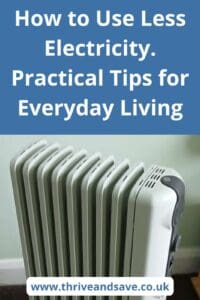
- If you have storage heaters, make sure they are set correctly for your lifestyle. While they can take advantage of cheaper overnight electricity tariffs, they don’t always provide heat when you need it most. I personally prefer oil-filled radiators because I find them easier to control throughout the day.
- If you do have central heating, get more out of your radiator by putting a reflective insulation sheet behind it. This helps bounce the heat back into the room and reduces heat loss. Some people use foil that you would cook with.
- Bleed radiators regularly and make sure no furniture is blocking the airflow from them.
- Lowering your thermostat and layering up with clothing can help, too. Try wearing thermal clothes like vests, leggings, body suits, and thick socks to stay warm without cranking up the heat.
- Don’t forget to wear jumpers or cardigans and warm slippers with thick soles.
- An electric blanket can be an inexpensive way to stay warm during winter. Always follow the manufacturer’s safety instructions and avoid using a hot water bottle with it.
General Tips
- Turn off lights when you leave a room.
- Switch off and unplug devices that are not in use where practical.
- Avoid charging your mobile/tablet overnight. Charging overnight can harm the battery. After the battery is at 100%, there is a trickle charge as the battery is constantly being topped up through the night to maintain that charge.
- Use extension leads that have individually switched sockets to switch off gadgets.
- Purchase the most energy-efficient appliances within your budget. Every washing machine, fridge, freezer, dryer, water heater and dishwasher sold in the UK and the EU carries an energy efficiency label known as Label 2020. When you visit the shop or browse online, you can now see a letter. It goes from G to A. The closer to A, the better it is for saving energy and money.
- Perform regular maintenance on your appliances to make sure they are running efficiently and not wasting energy.
For more information on tips to reduce your electricity, click the link below. “Which” is a 100% independent organisation.
What is your favourite energy-saving tip?
Do you have any simple ways to reduce your electricity usage? I’d love to hear your ideas in the comments.

