
Meal prepping offers lots of practical benefits that make everyday life easier, healthier, and more affordable. Spending just a few hours preparing meals each week can make busy weekdays far less stressful. In short, meal prepping gives you more control over your time, budget, and health.
Whether you’re trying to save money, avoid takeaways, or simply make life a little easier, meal prepping is a habit that’s well worth adopting.
Why should you consider meal prepping?
Saves time – Cooking in batches means you spend less time in the kitchen during the week. You only need to reheat meals instead of starting from scratch every day. You can take that time to be with family, rest or try something new.
Saves money – Planning helps you buy only what you need, which reduces impulse purchases and food waste. You’re also less likely to spend on takeaways or convenience foods. Over the months, those savings will add up.
Encourages healthier eating – When meals are ready to go, you’re more likely to stick to balanced, nutritious options instead of grabbing something quick and unhealthy.
Reduces stress – Knowing exactly what’s for dinner removes the daily “What’s for tea?” dilemma. There’s no last-minute rush to the supermarket or panic about what to cook after a long day.
Reduces the number of decisions – Making fewer food-related decisions each day can free up mental energy. With your meals already planned, one less thing is competing for your attention.
Here’s a simple step-by-step guide to get started
Plan your meals
- Choose 3–5 recipes you enjoy. Pick the ones you can easily store or heat up.
- Check what’s already in your fridge and cupboards to avoid buying duplicates. That will help you save money and cut down waste.
Make sure you have the cooking equipment needed
- Food scales
- Sheet baking trays
- Large pans
- Cooking tools
- Sharp knife
- Chopping board
- Mixing bowl and cooking utensils
- Meal containers
- Space in the fridge or freezer
Make a shopping list
- Write down all the ingredients you’ll need for the prep.
- Sort items by category (tins, dairy, meal, etc.) to make shopping quicker.
- Try to stick to your list to avoid any impulse buys.
Pick a prep day
- Choose one or two days a week to cook (maybe Sunday to begin the week and Wednesday to refresh midweek).
- Set aside a few hours to cook, portion, and store your meals. (and unfortunately, clean lots of pots and pans!)
Cook in batches
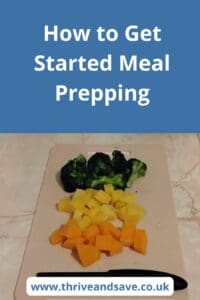
- Chop vegetables in bulk.
- Cook grains such as rice or pasta together.
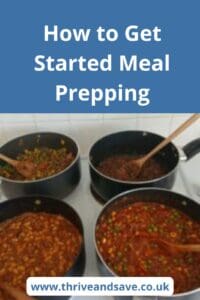
- Batch cook proteins like chicken, mince, or lentils.
- Use frozen vegetables to save time and reduce food waste.
- Use flexible ingredients that can be mixed and matched for variety.
Store properly
- Use airtight containers or freezer-safe trays.
- Make sure you have more than enough meal containers, you don’t want to cook the food and then realise that you can’t store them!
- Label each container with the date and what’s inside. This way, you use the oldest first and reduce food waste.
- Keep meals in the fridge for up to 3-4 days or use your freezer for longer storage.
- Ensure your fridge is 5°C or below and your freezer is at -18°C or below. Buy a food thermometer to check the temperature.
Reheat and rotate
- Reheat meals safely at the right temperature. Make sure it’s hot all the way through.
- You should only reheat foods once to reduce the risk of food poisoning.
- Rotate your meals to keep things interesting. Keep adding recipes as you get more comfortable/confident to have more of a choice.
Start small
- Start with a clean kitchen where everything is in its place. This will help your brain keep up with doing something new without stressing about where you have put something!
- Begin with prepping just lunches or dinners for a few days to build your confidence.
- Start with the meals that you are familiar with and then gradually try new ones. Definitely don’t start with something you have never tried. If you don’t like what you have made, it will knock your confidence.
- Once you become comfortable, try planning meals for the whole week or include snacks.
Easy meal prep ideas
- Curries and Chilli’s.
- Pies like chicken, cheese and onion, meat and potato.
- Shepherd’s pie and cottage pie.
- Soups like vegetable, lentil, chicken and minestrone.
- My favourites: Lasagne and Bolognese!
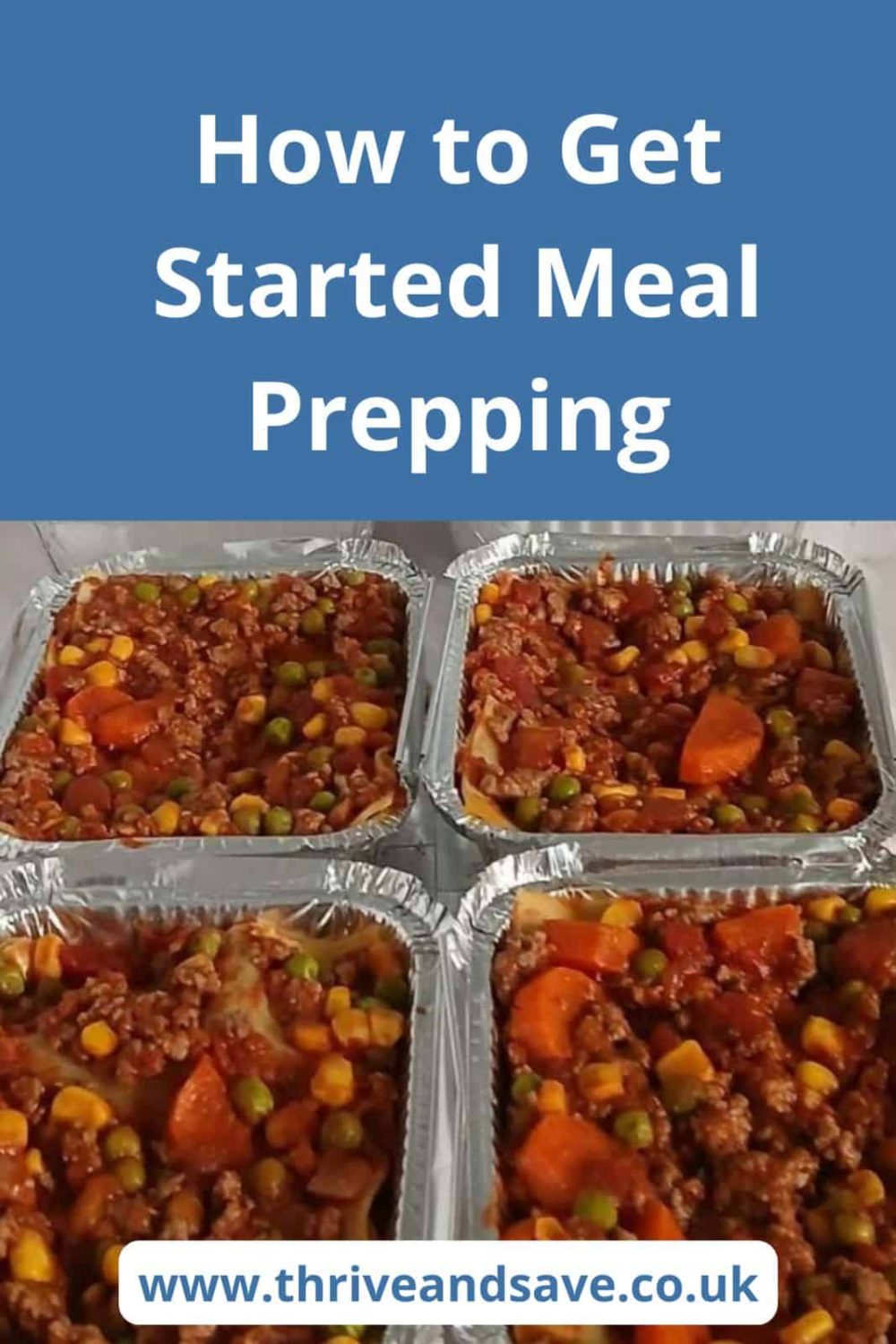
These meals are good for prepping because they freeze well up to three months. Use airtight containers to keep flavours locked in. Label dates so nothing sits too long. Thaw in the fridge to stay safe. Reheat to piping hot.
Having a freezer stocked with homemade meals can save hours during the week, help you eat healthier, and significantly reduce the temptation to order a takeaway.
Need some inspiration?
If you’re looking for new recipes, BBC Good Food has a fantastic collection of more than 90 batch cooking recipes to help you get started.
Do you meal prep already?
Let me know in the comments which meals you batch cook and freeze. I’d love to hear your favourite recipes.
If you found this guide helpful, please share it with your friends and family.

