
Making your home more sustainable doesn’t have to mean spending thousands on solar panels, eco-friendly products, or completely changing your lifestyle.
Simple habits such as using less energy, reducing food waste, reusing what you already own and being more mindful about shopping can make a difference over time can make a real difference for both the environment and your household budget.
The good news is that you don’t have to change everything at once. By looking at your home one room at a time, you can find easy ways to reduce waste, save resources and create a more sustainable lifestyle without making it complicated.
In this guide, we’ll explore simple, affordable ways to be more sustainable in every room of your home.
Why Is Sustainable Living Important?
Save money: Using less electricity and water, planning meals and buying fewer unnecessary items can help reduce household expenses.
Reduce waste: Repairing, reusing and recycling items helps keep useful materials out of landfill.
Conserve resources: Using products for longer and avoiding unnecessary purchases reduces the demand for new materials.
Protect wildlife and nature: Reducing pollution and making wildlife-friendly choices can help support healthier habitats.
Build better habits: Small, manageable changes are easier to maintain than trying to change your entire lifestyle overnight.
The key is to start with what you can realistically manage. Even one or two new habits can be a good beginning.
How to Be More Sustainable Room by Room
Creating an eco-friendlier home doesn’t require big changes all at once. A few small, mindful adjustments in each room can reduce waste, save energy, and make daily living more sustainable.
Kitchen
Fortunately, you don’t need a complete kitchen makeover to make a difference.
- Cook more meals from scratch to reduce the plastic waste that comes with ready meals.
- Planning meals can reduce waste and lower your grocery bills. You might also like our guide to reducing food waste and meal prepping.
- meal-prepping
- declutter-your-kitchen/
- Choose energy-efficient appliances and maintain them well when the time comes to replace them. You might like our guide to household maintenance.
- home-maintenance
- Replace plastic items only when they wear out, choosing durable alternatives such as stainless steel, glass or wood where practical. If replacing worn cookware, consider durable options such as cast iron or stainless steel that can last for decades.
- Compost your food scraps and recycle packaging properly.
- Run the dishwasher only when full and use eco settings.
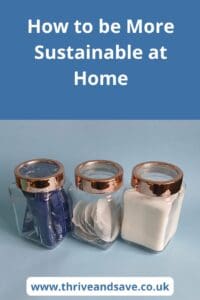
- Try using reusable containers, jars, and beeswax wraps instead of plastic wrap.
- Choose reusable bags instead of resealable plastic bags.
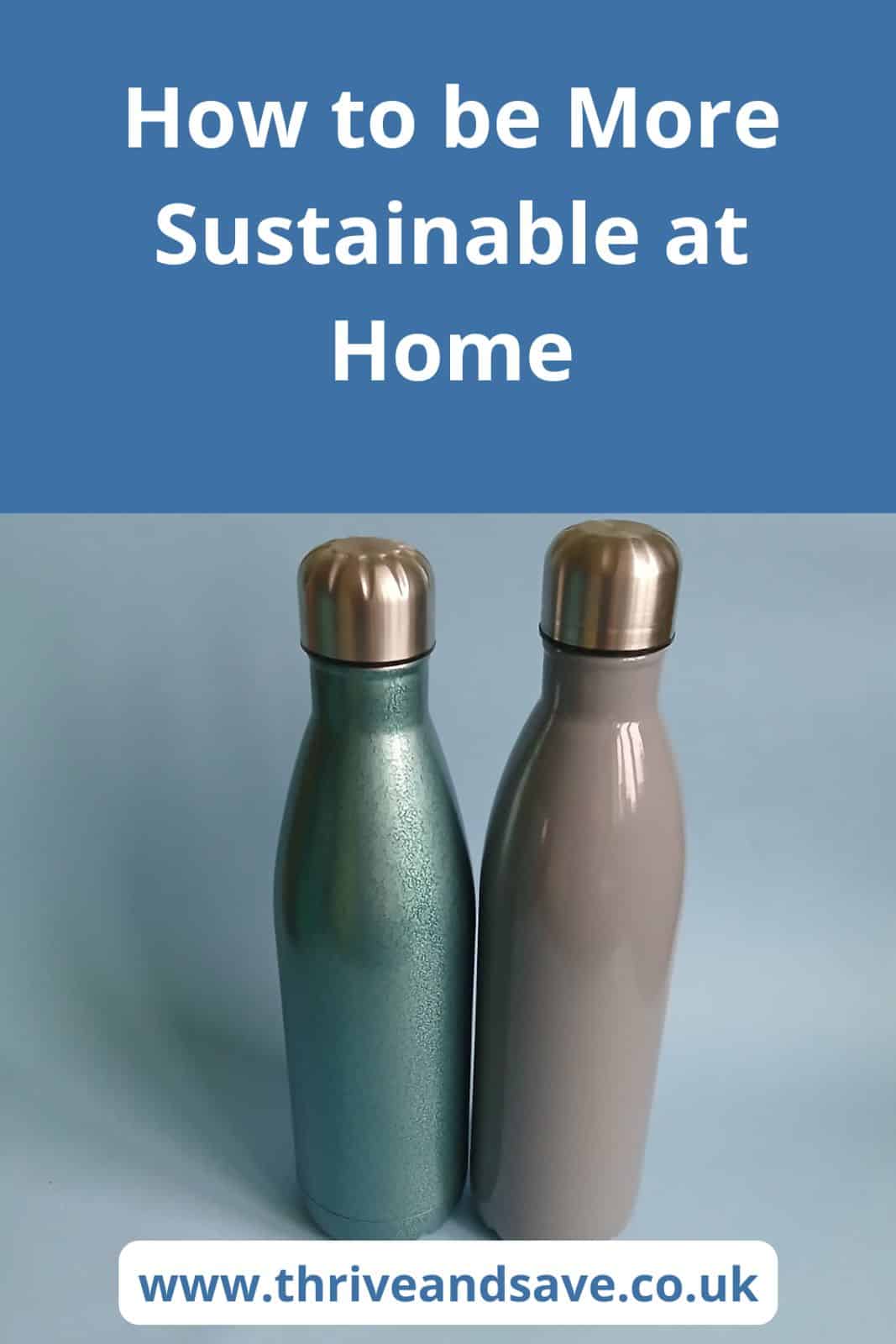
- Get into the habit of using a reusable water bottle.
- Try including more plant-based meals in your weekly menu and choosing seasonal produce when it suits your budget.
- Frozen vegetables, dried pulses and tinned beans can be affordable, convenient options that help you prepare meals with less waste.
- Use cloth napkins and dish towels instead of paper products.
Bathroom
Bathrooms use water every day, and many personal care products come in disposable packaging. A few simple habits can help reduce both.
- Saving water is another easy way to reduce household bills. Read our guide to reducing water usage.
- reducing-your-water
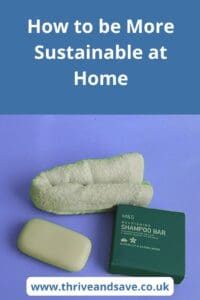
- Try using refillable or solid toiletries like shampoo bars and soap bars.
- Slowly switch out all your shampoos/conditioners and body washes and look for refillable or environmentally certified products where possible.
- Install a low-flow showerhead and faucet aerators to help save water.
- Remember to turn off the tap while brushing your teeth or shaving.
- Choose bamboo toothbrushes and biodegradable floss.
- Use reusable cotton pads or washcloths instead of disposable wipes if they’re suitable for your routine.
- Recycle your empty toiletry containers.
- You don’t need a cupboard full of specialist products to keep your bathroom clean. Use suitable products for the surfaces you’re cleaning, follow the instructions and avoid buying duplicates you rarely use.
Bedroom
A comfortable bedroom doesn’t need to be filled with newly purchased sustainable products. Often, the simplest changes are the most practical.
- Use what you already own – Keep your existing bedding, furniture and decorations for as long as they’re useful.
- If your bedroom needs refreshing, consider rearranging furniture, changing the position of accessories or giving an existing piece of furniture a new lease of life. You can create a different look without buying everything again.
- If you do need or want a change, look for second-hand furniture or upcycle existing pieces.
- Indoor plants can make a room feel calmer and bring nature indoors, although they’re best treated as a decorative choice rather than a replacement for good ventilation.
- Use energy-efficient bulbs and unplug chargers when you’re not using them.
- Keep windows open for fresh air instead of relying on air conditioning.
- Donate or repurpose any of your old clothes and textiles.
- Simplify your wardrobe: get rid of stuff you don’t wear and don’t replace anything unless you actually need it. Here is a guide on decluttering your wardrobe.
- declutter-your-wardrobe
Living Room
Living rooms often contain televisions, lamps, chargers and other electrical equipment. They’re also spaces where we tend to buy cushions, decorations and furniture to keep things looking fresh. Here are a few ways to make this room more sustainable.
- Use LED lighting and switch off lights when they’re not needed.
- Check whether your television and other electronics have energy-saving settings. You can also switch off devices at the plug when appropriate, rather than leaving everything on standby.
- Unplug electronics or use a power strip to reduce standby energy use.
- If you’re tempted to update your living room, try rearranging your existing furniture first. You could move a lamp, change the layout, reuse decorations from another room or refresh an old piece of furniture.
- When you do need something new, choose furniture made from reclaimed or sustainable materials. Bamboo, recycled wood, cork, rattan and cane are some examples of sustainable materials and use natural fabrics like cotton, linen, or wool for cushions and throws.
Home Office
Whether you work from home every day or only occasionally use a desk, there are several easy ways to reduce waste in your workspace.
- Try to go paperless by using digital notes and documents if they’re practical for the task.
- Print only when you really need to and print on both sides of the paper when suitable.
- Remember to turn off any electronics when not in use.
- Use natural light during the day to reduce your electricity use.
- Recycle paper, printer cartridges and unwanted electronics through appropriate local schemes.
Laundry
Laundry can use a considerable amount of water and energy, particularly when you wash clothes frequently or rely on a tumble dryer.
- Wash your clothes in cold water to save some energy. Washing at 30°C instead of higher temperatures can reduce energy use while still cleaning everyday laundry effectively.
- Try to wash with full loads to reduce water and energy waste, but avoid overloading the machine as clothes need room to move.
- Air-dry your clothes instead of using a dryer when possible. (I understand this depends on space and the good old weather!) Good ventilation is important when drying laundry indoors to help manage moisture.
- Follow the detergent instructions and measure the recommended amount for your load and water conditions. Using more detergent than necessary doesn’t automatically make clothes cleaner and can lead to residue.
- Don’t forget to clean the lint filter regularly for better efficiency.
- Switch to wool dryer balls instead of using single-use dryer sheets.
Entryway
Your hallway or entrance might seem like an unusual place to focus on sustainability, but a few simple habits can make everyday life easier.
- Use a shoe rack to reduce the amount of dust and mud coming into your home.
- Keep some reusable shopping bags and water bottles by the door.
- Choose a doormat made from natural materials like coir or jute.
Garden or Balcony
You don’t need a large garden to make more sustainable choices outdoors. A balcony, windowsill or a few pots can provide space for herbs and plants.
- Consider setting up a water butt to collect rainwater for watering your plants.
- Grow herbs, vegetables, or pollinator-friendly flowers. This will provide food and shelter for bees and butterflies.
- Compost organic waste to create natural fertiliser.
- Avoid chemical pesticides and use natural alternatives like neem oil, peppermint, rosemary and garlic sprays.
- Use solar-powered lights outdoors.
- Reuse containers and pots for planting instead of buying new ones.
General Home Habits
Some of the most effective changes aren’t tied to a particular room. They’re everyday habits that help you use fewer resources and make more thoughtful decisions.
- Make sure to recycle and compost correctly.
- Buy less stuff and choose quality over quantity.
- Be mindful of energy and water use throughout the home. Read our guide to reducing your electricity usage.
- reduce-your-electricity
How to Start Living More Sustainably Without Feeling Overwhelmed
Living more sustainably isn’t about being perfect—it’s about making small improvements that add up over time. Whether you start by reducing food waste, switching to LED bulbs or carrying a reusable water bottle, every change makes a difference.
Many sustainable habits also save money, meaning they’re good for both your wallet and the planet. Pick one or two ideas from this guide and build from there.
Once these changes become part of your routine, you can gradually introduce others.
It’s also worth remembering that sustainable living looks different for everyone. Your budget, home, mobility, family circumstances and available time will all affect what is realistic.
Found this useful? Share this post with your friends and family! What’s one sustainable change you’ve made at home that works well for you? I’d love to hear your ideas in the comments.
Final Thoughts
Being more sustainable at home doesn’t have to be expensive or complicated. Often, it starts with using what you already own, wasting less and making better use of everyday resources.
From the kitchen and bathroom to the bedroom, laundry room and garden, there are plenty of ways to make small changes that benefit both your household budget and the environment.
You don’t need to buy lots of eco-friendly products or change your entire lifestyle overnight. Start with one simple habit, give yourself time to get used to it and build from there.
Remember, sustainable living isn’t about being perfect. It’s about making practical choices that you can maintain over time.

