
Getting better sleep is one of the simplest ways to improve your overall health and wellbeing. A good night’s sleep helps your body recover, keeps your mind sharp, and gives you the energy to tackle the day ahead.
The good news is that improving your sleep doesn’t usually require major lifestyle changes. Small, consistent habits can make a big difference over time.
Why Good Sleep Matters
Strengthens your physical health – Quality sleep allows your body to repair itself, supports your immune system, and may reduce your risk of conditions such as heart disease, type 2 diabetes, and high blood pressure.
Improves focus and concentration – When you’re well rested, it’s easier to concentrate, solve problems, remember information, and stay productive throughout the day.
Boosts your mood – Not getting enough quality sleep can leave you feeling irritable, stressed, or anxious. Regular, restful sleep helps regulate your emotions and supports a more positive outlook.
Increases energy and motivation – When you are well rested, you wake up feeling refreshed, energised, and ready to take on whatever the day brings.
Improves relationships – When you’re well rested, you’re more patient, attentive, and emotionally present with the people around you.
Supports long-term wellbeing – Good sleep plays an important role in maintaining both your physical and mental health over the long term.
Practical Ways to Improve Your Sleep
Stick to a regular sleep schedule
Try to go to bed and wake up at the same time every day—even at weekends.
I know this is easier said than done! I often stay up too late, struggle to get up, hit the snooze button, and then repeat the same cycle the next day. It’s something I’m still working on.
A consistent routine helps regulate your body’s internal clock, making it easier to fall asleep and wake up naturally.
Create a relaxing bedtime routine
Spend the last hour before bed winding down with relaxing activities such as:
- Reading
- Gentle stretching
- Listening to calming music
- Taking a warm bath
Try to avoid phones, tablets, and television for at least 30 minutes before bed. The blue light they produce can reduce your body’s production of melatonin—the hormone that signals it’s time to sleep.
Make your bedroom sleep-friendly
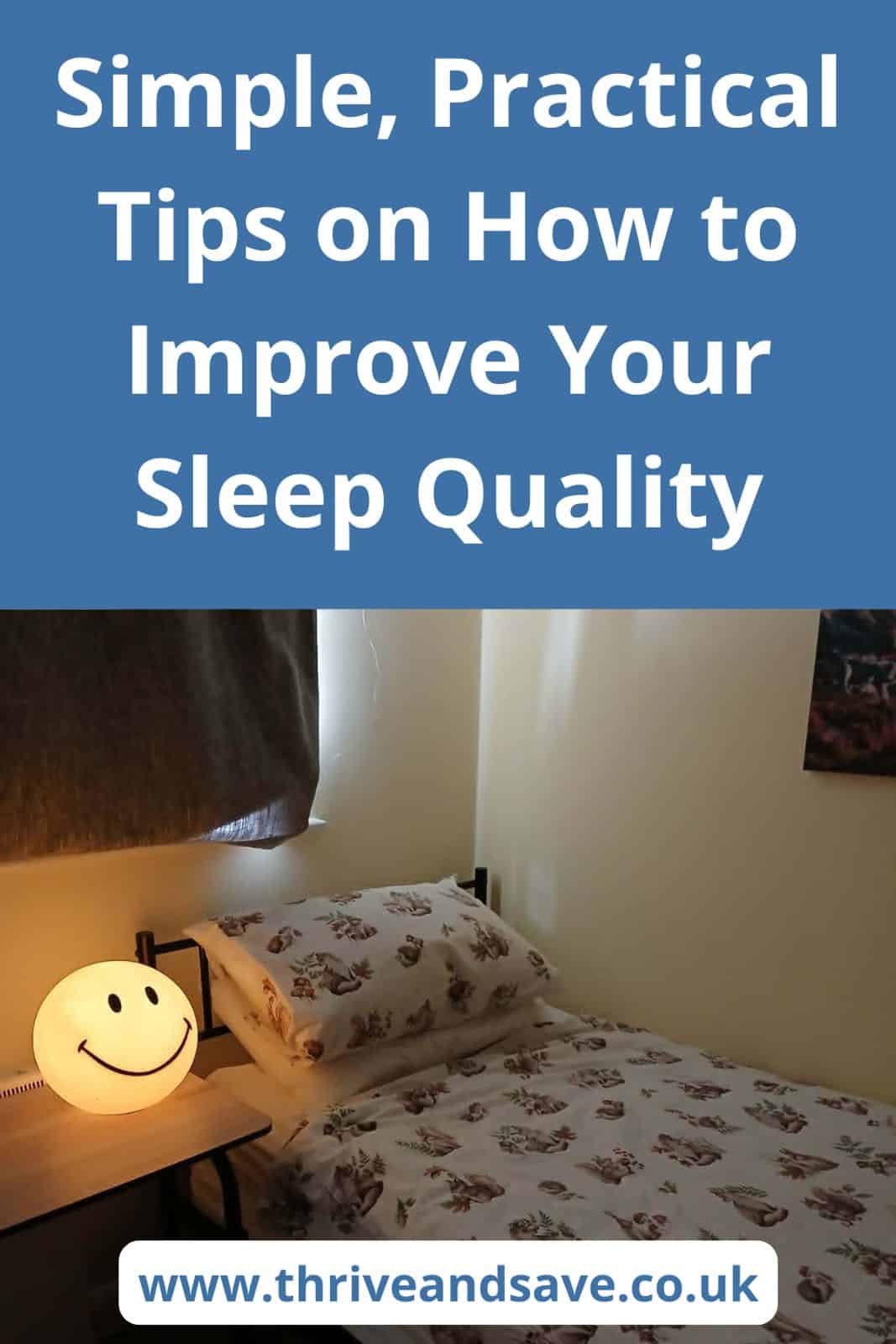
Your bedroom should be a calm, comfortable space that’s designed for sleep.
Try to:
- Keep the room cool, quiet, and dark.
- Use blackout curtains or a sleep mask if outside light is a problem.
- Invest in a supportive mattress and comfortable pillows. Most experts recommend replacing your mattress every 7–10 years.
- Keep clutter and unnecessary electronics out of the bedroom.
I’ve also heard good things about weighted blankets. I haven’t tried one yet, but lots of people say they help reduce anxiety and improve sleep. I might have to ask Father Christmas for one!
Watch what you eat and drink
Avoid caffeine, nicotine, and alcohol in the hours before bedtime, as they can all interfere with sleep.
Try to eat your evening meal/dinner (or “tea” as I call it!) two to three hours before going to bed to give your body time to digest it properly.
Get regular physical activity
Exercising during the day can help you get better sleep at night, but try to skip the intense workouts right before bedtime, as they can increase your alertness.
Reduce stress before bed
If your mind tends to race at night, try:
- Mindfulness
- Meditation
- Journaling
- Gentle breathing exercises
One technique that works well for me is box breathing:
- Breathe in for 4 seconds
- Hold for 4 seconds
- Breathe out for 4 seconds
- Hold for 4 seconds
Repeat for several minutes. I find it helps slow racing thoughts and leaves me feeling much calmer.
Be sensible with naps
If you need a daytime nap, try to keep it between 20 and 30 minutes and avoid sleeping late in the afternoon.
Also, make sure you spend some time outdoors during the day. Natural daylight helps regulate your body’s sleep-wake cycle.
Know when to seek help
If you regularly struggle with insomnia, loud snoring, or symptoms of sleep apnoea, it’s worth speaking to your GP or another healthcare professional.
Helpful Resources
These breathing exercise guides may help you relax before bed:
NHS
Nhs.uk/mental-health/self-help
British Heart Foundation
Bhf.org.uk/informationsupport
Music to Help You Sleep
I’ve also put together a relaxing Spotify playlist that’s perfect for winding down before bed. Feel free to give it a listen if you’re looking for something calming.
Further Reading:
- Thriveandsave.co.uk/improving-air-quality
- Thriveandsave.co.uk/most-of-longer-days
- Thriveandsave.co.uk/how-to-manage-stress
- Thriveandsave.co.uk/tiny-life-improvements
- Thriveandsave.co.uk/simplify-life
If you found this post helpful, please share it with your friends and family. You never know who might benefit from a better night’s sleep!

