
Summer is a great time of year, with longer days, warmer weather and plenty of chances to enjoy the outdoors. But summer can also bring unexpected challenges, from heatwaves and thunderstorms to power cuts, water shortages and travel delays.
Having a summer emergency kit ready can make these situations much easier to manage. You don’t need to spend a lot or buy lots of fancy equipment. A few everyday essentials, stored somewhere convenient, can make a real difference when something unexpected happens.
In this guide, I’ll share what to include in your summer emergency kit, how to prepare your home for hot weather and storms, and how to keep your family, pets and yourself safe.
Why Do You Need a Summer Emergency Kit?
We usually think of emergency kits for winter storms or big disasters, but it’s important to be ready during the summer too!
For instance, a long heatwave can turn your home into a sauna, and a thunderstorm might lead to power cuts or flooding. You could also get caught in traffic or face a cancelled train when the weather gets hot.
Having some essential supplies on hand means you won’t have to rush to the shops when everyone else is doing the same.
You don’t need to prepare for every possible issue; it’s about making those everyday hiccups a bit easier to handle.
Preparing for UK Heatwaves
Essential Supplies
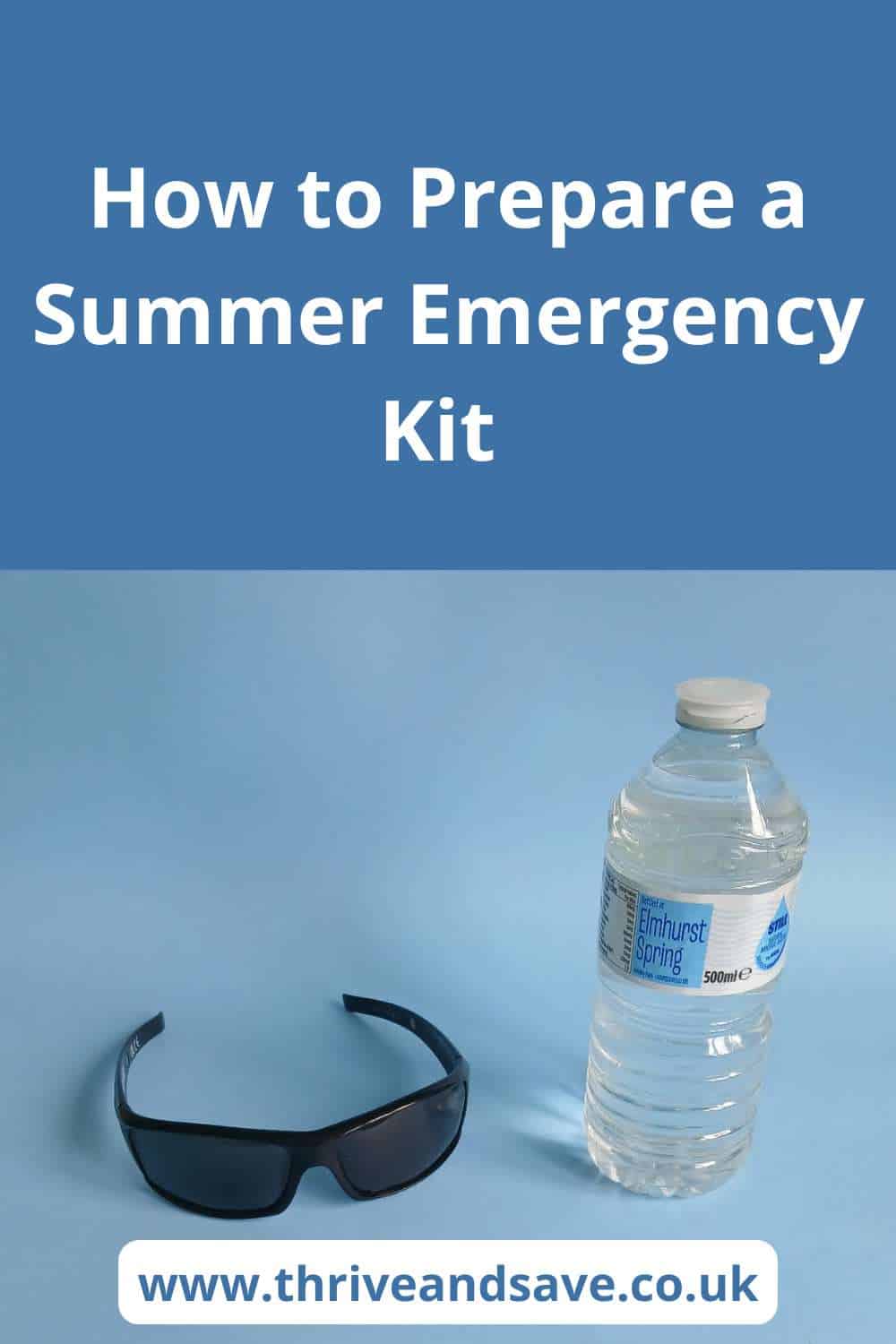
- Water – To start off, it’s a good idea to have at least three litres of drinking water for each person in your household every day, as recommended by UK emergency preparedness guidelines. You’ll also need extra water for cooking, washing, pets, and other household activities. So, for a three-day supply, that adds up to at least nine litres of drinking water per person, or more if you think you might need it.
- Non-perishable food – Stock up on items like canned goods, protein bars, nuts, and dried fruit. Pick foods that last a long time and don’t need refrigeration. It’s best to include things you already like to eat so nothing goes to waste during an emergency.
- First aid kit – Make sure your kit has bandages, plasters, antiseptic wipes, allergy medication, pain relief, and any prescription medicine you might need. Store these in a cool, dry place, and remember that some medications may need to be kept in the fridge or below a certain temperature. If you’re unsure, check the packaging or ask your pharmacist for guidance, especially during hot weather or if there’s a power cut.
- Lighting and Communication – Keep a battery-powered/hand-crank radio so you can stay updated on weather alerts. Don’t forget flashlights and have extra batteries. Try to avoid candles to reduce the fire risk. A power bank can help keep your phone and small devices charged.
- Cash – Be aware that ATMs and card machines might not work if there’s a power outage, so it’s smart to have some cash on hand.
- Important documents – Keep copies of important information in a waterproof folder or pouch. This might include insurance details, emergency contacts, relevant medical information and copies of essential documents.
Heatwave Essentials
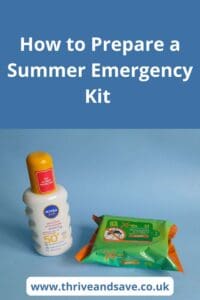
- Sun protection – Don’t forget to buy and apply sunscreen (at least SPF 30), wear hats, sunglasses, and SPF lip balm.
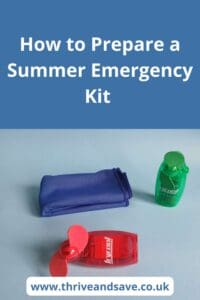
- Cooling gear – Keep cool with towels or spray bottles that help lower your body temperature.
- Lightweight clothing/bedding – Opt for breathable fabrics like cotton or linen to stay comfy.
- Portable fan – A small battery fan can help with cooling during outages.
- Shade materials like tarps or umbrellas – These help for outdoor protection from the sun.
- Insect repellent – Remember to buy repellent and after-bite cream. If you have a known allergy to insect stings or bites, make sure you have the medication and emergency plan recommended by your healthcare professional.
Be aware if you are on certain medications, including antidepressants, antihistamines and beta-blockers, as they could increase your heat sensitivity. Check your medicine leaflets.
Storm and Power Outage Essentials
- Good waterproof clothing – like a poncho, rain jacket and footwear.
- Sandbags or flood barriers – if you live in an area or your property is prone to flooding.
- Plastic sheeting and duct tape – These can serve as handy temporary solutions for leaks or window issues while waiting for help.
Prepare the Home
- Keep your blinds and curtains closed during peak heat hours to block the sunlight.
- Close your windows during the day, and open them at night when the outside air is cooler than inside.
- Test your smoke and carbon monoxide alarms and replace the batteries if needed.
- Check that fridges and freezers are working properly.
- Trim your trees and remove any weak branches that could fall during storms.
- Before a storm, secure your outdoor items by securing any furniture, bins, and garden tools.
- Unplug any electronics that you’re not using during lightning storms to protect them from power surges.
Plan for Pets and Family Members
- NEVER leave anyone in a parked car, children, vulnerable adults or pets, as the temperatures can reach dangerous levels.
- Pet supplies: Food, water, leads, and carriers. During hot weather, exercise dogs during cooler periods and make sure they have access to shade and fresh water.
- Older adults or medical needs: Extra medication, mobility aids, or cooling devices. Anyone who depends on electrically powered medical equipment should speak to their healthcare provider or equipment supplier about contingency arrangements for a power cut. Older adults, people with certain health conditions and those living alone may need extra support during extreme heat. Arrange regular check-ins with family, friends or neighbours if appropriate.
Prepare for Summer Journeys
An emergency kit isn’t just for home. A few sensible supplies can also help if you’re travelling by car or using public transport during hot weather.
For car journeys, consider carrying:
- Drinking water for everyone travelling.
- A phone charger or power bank.
- A basic first aid kit.
- Sunglasses and sun protection.
- Suitable breakdown equipment.
- A high-visibility vest and warning equipment appropriate for your vehicle and local road-safety guidance.
Check your tyres, fluid levels and battery before a long journey, and make sure your breakdown cover is up to date if you have it.
If you break down in hot weather, follow the advice of your breakdown service and road authorities, and prioritise everyone’s safety. Never leave children, vulnerable adults or pets alone in a hot vehicle.
Keep Your Summer Emergency Kit Up to Date
Once you’ve put your kit together, take a few minutes to check it before summer starts.
- Replace any expired food, water, and batteries.
- Update your kit as your needs change.
- Store your kit in an accessible, cool, and dry location.
- Check medication supplies and storage requirements.
- Update emergency contact details.
Build Your Kit Gradually to Save Money
Preparing for emergencies doesn’t have to be expensive. Before shopping, look around your home. You may already have a torch, spare batteries, a first aid kit, bottled water, tinned food and a suitable bag.
Make a list of what’s missing and add a few items to your usual shopping over the next few weeks.
Choose useful, good-quality basics rather than buying lots of specialist gadgets you may never need. You can also make a note of expiry dates and add a reminder to check your supplies twice a year.
Final Thoughts
Having a summer emergency kit is a straightforward way to make life a bit easier when surprises pop up. Whether it’s a heatwave, a power cut, or a travel hiccup, being prepared with the right supplies can help boost your confidence.
You don’t have to spend a fortune or plan for every single scenario. Just some thoughtful preparation, a few everyday essentials, and regular check-ins can set you on the right path.
Why not spare ten minutes today to see what you’ve already got at home? You might be pleasantly surprised by how much of your summer emergency kit is already sorted.
For more practical preparedness advice, have a look at my guides to water preparedness, power outages and creating a general preparedness kit.
Do you have any summer emergency essentials you wouldn’t be without? I’d love to hear your tips in the comments.
Further Reading:

