
Self-sufficiency is all about using your own skills, knowledge, and judgment to take care of your needs, tackle problems, and make decisions with confidence. It doesn’t mean you have to do everything by yourself; it means becoming less dependent on outside systems while knowing when it’s sensible to seek help or work with others.
Working on self-sufficiency helps you build resilience and gives you more control over your life. Whether it’s picking up practical skills, managing your finances better, or getting ready for emergencies, every little step you take helps you feel more capable and surer of yourself.
Here are some common reasons people become more self-sufficient
- Increased Resilience – When you learn skills like how to fix things, grow food, or manage your supplies, you’re not as affected by problems like supply chain issues, economic troubles, or service interruptions.
- Financial Freedom – By relying less on paid services and consumer items, you end up cutting down your living costs. This gives you more room in life to work less, save more, or chase after jobs that really matter to you.
- A Smaller Environmental Impact – Self-sufficiency often ties into sustainability. Growing your own food, repairing instead of tossing things, and using less energy all help shrink your personal carbon footprint.
- More Satisfaction & Confidence – There’s a real feeling of accomplishment that comes from solving a problem or making something yourself. It turns you from a passive watcher into an active participant in your own life.
- Better Quality of Life – A lot of times, self-sufficient practices lead to healthier habits like enjoying fresh, home-grown food or spending more time learning and being active, which can help your overall physical and mental health.
Self-sufficiency isn’t about perfection—it’s about making gradual improvements that increase your independence over time.
Here are the Biggest Areas to Focus on
Practical Life Skills
Developing practical skills is one of the quickest ways to become more self-sufficient.
Here are a few things to focus on:
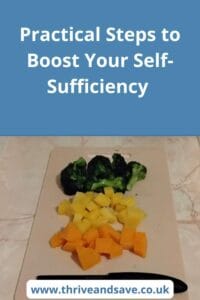
- Cooking healthy meals using basic ingredients. Try cooking from scratch instead of relying on pre-packaged food. It can save you money and give you more control over time and your health. Get into meal prepping, baking bread, and whipping up staples like beans, grains, and veggies.
- Handling your basic home repairs. Fixing a leaky faucet, changing a light fixture safely, or filling in small holes. Get comfortable with basic repairs by starting with easy tasks like sewing on a button or learning some simple plumbing and electrical troubleshooting. YouTube tutorials can really help out.
- Keeping up with basic car or bike maintenance if you have one.
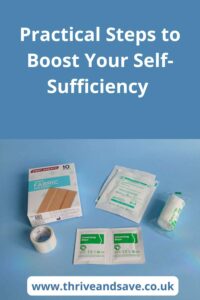
- Learning first aid and how to be prepared for emergencies. Knowing first aid is a key part of being self-reliant, as it lets you handle minor injuries and emergencies on your own.
Building these skills can save you money and boost your confidence.
Further reading
Financial Life Skills
Being financially independent is a great way to take charge of your life.
Start by:
- Start by creating a budget and keeping track of your spending. The more debt you have, the more it ties you down to outside systems. Focus on paying off high-interest debt first, and try to build up an emergency fund to give you a bit of breathing room.
- It’s a good idea to set up an emergency fund—even starting with a small amount is better than nothing.
- Try to steer clear of unnecessary debt.
- Take the time to learn the basics of investing and planning for retirement.
- If you can, expand your income with side gigs or by picking up some valuable skills.
- Check your home for energy efficiency. Simple things like sealing drafts, using LED bulbs, or installing a programmable thermostat can help cut down your utility bills and reliance on outside energy sources. Over time, these habits can make things more sustainable.
- Think about mindful buying. Before buying something new, ask yourself if you can repair what you have, buy it second-hand, or do without it. This helps you go from just using something to taking care of it.
Further Reading
- https://thriveandsave.co.uk/reducing-your-water/
- https://thriveandsave.co.uk/reduce-your-electricity/
Before making a purchase, ask yourself
- Can I repair what I already own?
- Can I buy it second-hand?
- Do I really need it?
- Could I learn to do this myself instead of paying someone else?
These simple questions encourage mindful spending and reduce unnecessary consumption.
Be Prepared for Emergencies
Being prepared for emergencies allows you to remain calm and independent when unexpected situations arise.
Make sure you have:
- A basic first aid kit.
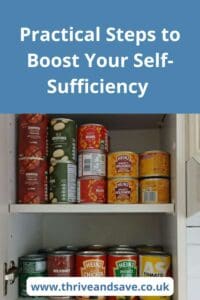
- A few days’ supply of food and water.
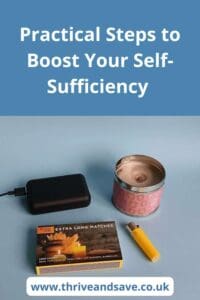
- Flashlights and batteries.
- Important documents backed up.
- An emergency plan.
- Getting ready for emergencies is all about making plans to keep yourself safe, relaxed, and independent when unexpected things happen. With some preparation, you and your family can handle things smoothly for a few days.
Further Reading
Look After Your Health
Your body and mind are really important. Being healthy is important for being self-sufficient. It gives you the energy and focus to take care of your food, shelter, and everyday needs. When you’re in good health, you don’t depend as much on medical help and are better prepared for unexpected situations.
- Get regular exercise.
- Make sure you get enough sleep.
- Eat well-balanced meals.
- Find ways to manage stress.
- Don’t forget routine medical and dental checkups.
Staying healthy gives you more freedom and possibilities.
Work on Being Emotionally Self-Reliant
Self-sufficiency also involves developing emotional resilience.
This means learning to:
- Managing your emotions.
- Making choices based on your values.
- Being okay with spending time alone.
- Building self-confidence through actions instead of seeking approval from others.
Being self-sufficient doesn’t mean doing everything by yourself. It’s about contributing to your relationships rather than relying on them for everything. Knowing your neighbours, friends, or local groups can help make everyone stronger. Healthy relationships remain important, but you’re not dependent on them for your sense of worth.
Simplify Possessions
Owning less makes life easier to manage. Decluttering reduces maintenance, saves time, and helps focus on what truly matters. A simpler home supports a calmer, more intentional lifestyle.
Further Reading
Keep Learning and Adapting
Being self-sufficient is a journey, not just a goal you reach. Every season has its own lessons and chances to develop. It’s great to recognise how far you’ve come, stay curious, and keep working on habits that support your independence and sustainability.
Final Thoughts
Living more self-sufficiently involves taking small, deliberate steps towards independence. You don’t need to go off-grid or grow all your food yourself. It’s really about picking up useful skills, decreasing your dependence on outside resources, and building a lifestyle that values resilience and simplicity.

