
Winter isn’t everyone’s favourite season. Shorter days, colder weather and long dark evenings can leave many of us feeling tired, unmotivated or simply fed up. I know I can struggle with winter. When it’s dark and the weather is miserable, staying at home under a blanket seems more appealing than going outside!
The good news is that enjoying winter doesn’t have to mean spending lots of money. There are plenty of simple things you can do to make the season warmer, cosier and more enjoyable.
If you also struggle with the colder months, these tips may help you stay happier, healthier and more energised until spring arrives. Simple self-care routines can really lift your mood and energy during these chilly months.
Why Does Winter Affect Us?
Reduced daylight and cooler temperatures can contribute to low energy and mood shifts, commonly known as the “winter blues.”
The NHS website says that “It’s not known exactly what causes seasonal affective disorder (SAD), but it’s thought to be linked to reduced levels of daylight in winter.
This may cause changes to brain chemicals like melatonin and serotonin that affect your mood and your sleeping patterns (circadian rhythm).”
seasonal-affective-disorder-sad
Colder weather also encourages us to stay indoors, exercise less and spend less time with other people. The good news is that simple and affordable habits can make a noticeable difference.
Tips to Help You Thrive in Winter
1 – Make the Most of Natural Light
One of the hardest things about winter can be the lack of daylight.
- Spend time outdoors during daylight whenever you can, even for short walks.
- Open up your curtains and blinds to let in as much sunlight as possible.
- Sit near a window while working or reading.
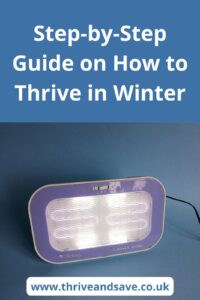
- If you find winter particularly difficult, you could also research light therapy. I have a light therapy lamp and find that it helps me, although it’s worth getting advice if you’re considering using one to manage SAD.
2 – Stay Active
When it is cold and dark outside, it is very tempting to stay on the sofa all day.
Unfortunately, doing very little can sometimes leave you feeling even more sluggish.
You don’t need an expensive gym membership to stay active.
- Aim to be active every day by walking, stretching, or doing some gentle indoor workouts.
- You could try winter-friendly activities like yoga, dancing, or home workouts.
- Take short walks outside to get fresh air and sunlight.
- Dancing to your favourite songs can help lift your mood.
- Exercise releases endorphins that naturally boost mood and energy.
3 – Create and Maintain a Winter Routine
Winter can sometimes make the days blur into one another. It can help to give your day a little structure. You don’t have to plan every minute of your day. A simple routine can give you something to look forward to.
- Try to keep a consistent sleep and wake time.
- Plan out your daily activities to stay motivated and organised.
- Using a wake-up alarm clock that simulates the sunset and sunrise could also help you.
4 – Keep Warm Without Spending a Fortune
Staying warm in winter can really add extra expense to your household bills. Instead of turning up the heating, consider simple ways to keep yourself warm.
For example:
- Wear several thin layers of clothing.
- Put on warm socks and slippers.
- Keep a blanket on the sofa.
- Close curtains when it gets dark.
- Keep doors closed between rooms.
- Use draught excluders where appropriate.
- Make yourself a warm drink.
- Have a bowl of warming soup for lunch.
- Use a hot water bottle safely to warm your bed before going to sleep.
Of course, you should still heat your home appropriately and safely, particularly if you are vulnerable to cold temperatures.

5 – Eat Warm and Comforting Food
Winter is the perfect time for comforting meals. Soups, stews, casseroles and pasta dishes can be warming, filling and relatively inexpensive to make.
- Eat warm, comforting meals like soups, stews, and roasted vegetables.
- Choose balanced meals with a variety of whole grains, fruits, and vegetables.
- Keep yourself hydrated with water, herbal teas, or warm lemon water.
- Try to limit caffeine and alcohol to maintain energy balance.
- Limit sugar and processed foods that can cause energy crashes.
Some budget-friendly winter meals include:
- Vegetable soup.
- Lentil soup.
- Vegetable and bean chilli.
- Cottage pie.
- Pasta bake.
- Vegetable curry.
- Homemade stew.
- Jacket potatoes with different fillings.
Making a large batch can also save time and money because you can freeze portions for another day.
6 – Keep Connected with Others
It is easy to become isolated during winter. Cold weather and dark evenings can make you less likely to go out, but keeping in touch with friends and family can make a big difference. You don’t have to spend lots of money to socialise.
- Arrange a coffee and a chat with a friend.
- Invite someone round for a simple meal.
- Have a games night.
- Call a friend.
- Send someone a message to see how they are.
- Have a video call if they live further away.
- Go for a winter walk together.
7 – Make Your Home Feel Cosy
One of the things I love about winter is having an excuse to make my home feel warm and cosy. And you don’t need to spend lots of money on new decorations. I love to have the fairy lights on, with a cup of tea and eat my tea with the radio playing. Especially if the rain is battering the window. Knowing I’m not out in that weather is a lovely feeling!
- Add warm lighting, blankets, and candles to your space.
- Keep your home tidy and clutter-free for a peaceful atmosphere.
- Use warm white lighting instead of bright, cool lighting during the evening.
- Play uplifting music or relaxing music to help you unwind. I have lots of different playlists on Spotify, as it makes the evenings much more enjoyable.
- Try using essential oils or diffusers with calming scents like vanilla or cedarwood.
8 – Find Affordable Things to Do at Home
Dark evenings don’t have to mean just sitting in front of the TV and feeling bored. Winter can actually be a great chance to try out something new. There are lots of activities you can do that won’t cost you much.
You could:
- Read a book.
- Start a journal.
- Try drawing or painting.
- Learn a new craft.
- Try a new recipe.
- Sort through old photographs.
- Start a DIY project.
- Learn something through a free online tutorial.
- Have a film night.
- Listen to music.
- Do a jigsaw puzzle.
- Declutter a cupboard.
- Start planning your goals for the year.

9 – Look After Yourself
Winter is a good time to slow down a little. Let yourself rest when you need it. You don’t need an elaborate self-care routine or lots of expensive products.
- Listen to your body and rest or take a nap when it’s needed.
- Avoid overcommitting yourself during the busy winter months.
- Create a calming bedtime routine for better sleep with reading or journaling.
- Enjoy a warm, cosy bath with Epsom salts or essential oils.
- Treat yourself to a favourite winter drink.
- Watch comforting films or read nostalgic or uplifting stories.
- Wear soft, warm clothes that make you feel relaxed.
10 – Care for Your Skin
Cold weather and indoor heating can leave your skin feeling dry. You don’t necessarily need an expensive skincare routine. A few basic products can be enough.
- Use a rich moisturiser to help get rid of dryness.
- Don’t forget to apply lip balm and hand cream regularly.
- Take warm (not hot) showers to protect the skin barrier.
- Drink plenty of fluids.
11 – Limit Screen Time
When you’re tired or bored, it can be very easy to spend hours scrolling through social media. It’s amazing how many hours can fly by without you knowing! Sometimes this doesn’t leave us feeling better.
- Try to reduce time spent scrolling and limit news and social media if it feels overwhelming.
- Replace screen time with reading, crafting, or trying a new hobby.
12 – Give Yourself Something to Look Forward To
Winter can feel very long when every day seems the same. One way to break this up is to give yourself little things to look forward to. These little moments can give you something positive to focus on.
It could be something as simple as:
- A favourite meal on Friday night.
- A weekend film.
- Meeting a friend.
- A winter walk.
- Visiting somewhere you’ve never been.
- Trying a new recipe.
- Starting a new hobby.
- Having a relaxing Sunday afternoon.
13 – Embrace the Season
Rather than wishing the whole season away, try finding things you actually enjoy about winter.
- Spend time outdoors on crisp, dry winter days.
- Appreciate seasonal beauty—frost, snow, or winter sunsets.
- Try a new winter hobby like knitting, baking, or journaling.
- Decorate your space with natural elements like pinecones or evergreens.
Final Thoughts
Winter doesn’t have to be a season you survive until spring. There are lots of small things you can do to make the colder months more enjoyable – and many of them cost very little or nothing at all.
Remember, every small step counts. Whether it’s taking a lunchtime walk, enjoying a warm bowl of soup or spending time with friends, these little habits soon add up.
“Winter doesn’t have to be a season you survive until spring.”
Seek support if needed – If low mood, tiredness or anxiety continue for several weeks or begin affecting your daily life, don’t hesitate to speak to your GP or another healthcare professional. Seasonal Affective Disorder (SAD) is a recognised condition, and effective treatments and support are available.
Below are some links that you might find helpful if you are struggling through winter.
You don’t need to change everything at once. Pick three ideas from this list and try them this week. Perhaps take a lunchtime walk, make a batch of soup and create a cosy evening routine. Small changes can make a surprisingly big difference.
Let me know in the comments what things you do to combat winter blues!

